
The first rain is always special as it brings relief from the summer heat but also carries seasonal health problems such as mosquito-borne, waterborne, respiratory and fungal infections. Dengue, malaria, typhoid, viral fever and skin infections are among the health concerns people commonly encounter during the rainy season.
At our Ayurveda centre, we see this pattern every monsoon season and provide appropriate treatment accordingly. The common health problems in India during this season are well-documented and largely preventable.
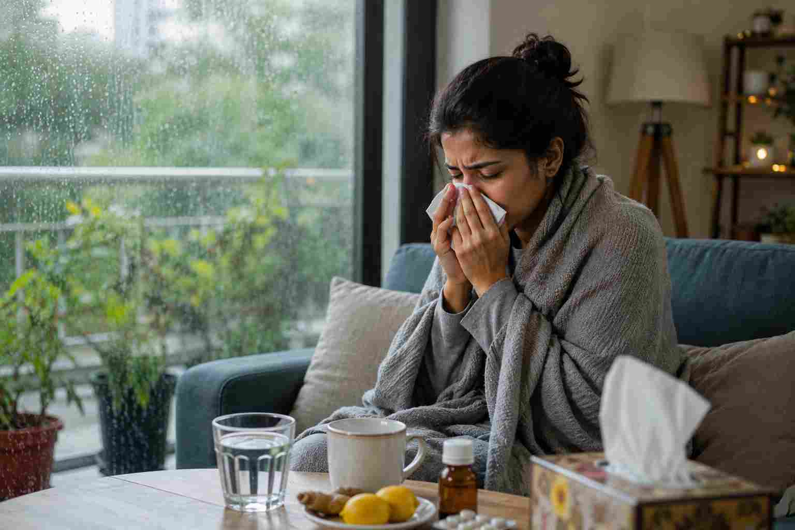
Why Monsoon is the Reason for Illness?
During monsoon the combination of excessive humidity and stagnant water creates an ideal breeding ground for viruses and bacteria, increase the risk of illnesses such as dengue, malaria, chikungunya, cholera and typhoid.
In Ayurveda, monsoon is the season of Vata aggravation and weak digestive fire (Agni), the digestive and metabolic fire. When Agni is low, the body’s ability to digest and process food, fight infection and eliminate toxins is compromised.
This is why people who maintain strong digestion and immunity through Ayurvedic practices are less severely affected when monsoon diseases do circulate or during seasonal changes. Let’s talk about the top 5 common monsoon health issues and their symptoms alongside cures.
Top 5 Common Monsoon Health Problems in India
From mosquito-borne infections to stomach problems, these are five common monsoon diseases in India:
1. Dengue Fever: Mosquito-Borne Health Problem in India
Dengue remains one of the most significant health problems in India during monsoon and is often underestimated in its early stages.
How it spreads:The Aedes aegypti mosquito carries the virus and breeds in clean stagnant water sitting in flowerpots, uncovered buckets, old tyres, tree holes and water storage tanks. It bites during the day which catches most people completely off guard.
Warning signs to watch for:
- Sudden high fever above 102°F that comes on within hours
- Severe headache and a deep aching pain behind the eyes
- Intense joint and muscle pain often called breakbone fever
- Skin rash that appears anywhere between day 2 and day 5 of the fever
- Persistent fatigue and nausea that does not ease with rest
When to seek medical attention:
- Fever that has not broken after two or three days
- Any signs of dehydration or severe pain in the abdomen
- Spontaneous bleeding from the gums or nose
Ayurvedic support:Giloy or Tinospora cordifolia are good herbs for helping platelet count and immune response for dengue recovery. Papaya leaf extract is also used under practitioner guidance and should not be considered a complete treatment for dengue.
At Patanjali Wellness Indirapuram, our Vaidya recommends a personalised Ayurvedic approach both before and after dengue, depending on the individual’s condition. Rasayana protocol post-dengue to help the body rebuild strength and immunity once the acute phase has passed.
2. Malaria: A Major Health Problem in India That Returns Every Monsoon
India reports a significant number of malaria cases each year. Despite decades of public health campaigns, malaria continues to be one of the major health problems in India every single monsoon without fail.
How it spreads:Malaria is caused by the Plasmodium parasite which travels through the bite of the female Anopheles mosquito. This mosquito breeds in slow-moving and stagnant water which is precisely what monsoon rains leave behind across every Indian city and town.
Warning signs to watch for:
- Fever that follows a recognisable pattern coming on every 48 to 72 hours
- Profuse sweating once the fever breaks
- Severe headache and deep body ache
- Nausea and vomiting that may accompany the fever episodes
- Yellowing of the skin or eyes in more severe presentations
Who is most at risk:Children, elderly people, pregnant women, diabetic patients and anyone with a weakened immune system carry the highest risk. If someone in your household fits any of these, do not wait for a second fever cycle before getting tested.
Ayurvedic support:Ayurveda classifies malaria under Vishama Jwara which refers to fever that comes and goes in an irregular pattern. The treatment approach uses blood purifying herbs and immunity building Rasayana therapy to strengthen the body through and after the illness.
Neem, Kutki and Guduchi are traditionally used under practitioner supervision and work as supportive care alongside confirmed medical treatment.

3. Typhoid: Hidden Common Health Problems in India
Every monsoon season, the risk of waterborne illness rises sharply across India. Typhoid, cholera, gastroenteritis and hepatitis all travel through contaminated water, food and the monsoon creates ideal conditions for that contamination to reach the kitchen or dining table.
How they spread:
- Drinking water that has been contaminated by floodwater
- Street food cooked or prepared using unfiltered water
- Eating raw fruits and vegetables without proper washing
- Ice made from water that was never safe to begin with
Warning signs to watch for:
- Fever that builds gradually over several days rather than spiking suddenly
- Severe stomach pain, cramping or persistent loose motions
- Nausea and vomiting along with complete loss of appetite lasting more than 48 hours
- A level of fatigue and weakness that feels entirely out of proportion to other symptoms
- Yellowing of the skin or eyes which points specifically toward hepatitis
Ayurvedic support:Waterborne infections affect the digestive system hardest. In Ayurvedic terms, they severely weaken Agni which is the body’s digestive and metabolic fire. Kutaja, Bilva and Nagarmotha are classically used for gastrointestinal infections under practitioner guidance.
Dietary guidance during recovery:Warm soups, rice kanji and moong dal are recommended while the gut heals. These are easy to digest, gentle on inflamed tissue and support the body without taxing a system that is already under stress.
4. Viral Fever: Infection-Related Fever
Monsoon spreads airborne infections fast. Common flu, viral fever, cold, cough and sore throat circulate widely through the season and because the symptoms feel so familiar, most people treat themselves at home and carry on.
In urban areas like Indirapuram and across the wider Delhi NCR region, air quality drops noticeably as the monsoon sets in. Add sudden temperature swings and more time spent indoors in close contact with others and respiratory infections spread further and hit harder than they do in any other season.
Warning signs to watch for:
- Fever sitting between 100°F and 103°F alongside body ache
- A dry or wet cough that shows no improvement after 5 days
- Sore throat and nasal congestion that gets worse over a week rather than easing
- Any breathlessness or tightness in the chest which needs immediate evaluation
- Symptoms that seem to improve and then suddenly get worse again
Ayurvedic support:Nasya therapy which involves medicated herbal oil administered through the nasal passage is one of the most targeted Ayurvedic interventions for recurring respiratory problems during monsoon.
It strengthens the nasal lining, clears accumulated Kapha and builds the nasal mucosa’s resistance against airborne pathogens. Steam inhalation with Tulsi and Eucalyptus, Sitopaladi churna and Chyawanprash are part of the standard monsoon respiratory protocol.
5. Skin and Fungal Infections: Common Monsoon Concerns
High humidity creates the exact conditions that fungal infections need to spread across the skin and inside the home.
Skin and fungal infections are among the most undertreated common health problems in India during monsoon. Most people apply a cream for a few days, feel a little better and stop. Few weeks later the infection returns, often more resistant than before.
Common monsoon skin conditions:
- Ringworm or Tinea which presents as a circular, spreading, intensely itchy rash
- Fungal infection developing by wearing wet footwear through the day
- Bacterial infection that enters through the skin after contact with floodwater
Warning signs to watch for:
- Rash and blisters that do not clear with basic hygiene within 3 days
- Itching that consistently gets worse at night
- Skin that stays damp, peeling or discoloured even after proper drying
- Any fever that accompanies a skin rash as this needs same-day evaluation
Ayurvedic support:Ayurveda treats skin infections by using the principle of Raktashodhana which means blood purification. Neem is also known as an effective antifungal and antibacterial herb in the classical Ayurvedic pharmacopoeia and is used both internally as a decoction and externally as a paste on affected areas.
Quick Comparison: Symptoms, Transmission and Ayurvedic Support
A quick look at the most common health problems in India during monsoon:
| Disease | Primary Cause | Key Symptoms | Diagnostic Cue | Ayurvedic Support |
| Dengue | Aedes mosquito bite | High fever, severe body pain | Platelet count monitoring | Giloy and papaya leaf extract for platelets may support |
| Malaria | Anopheles mosquito bite | Cyclical fever every 48 to 72 hours | Blood smear for parasites | Neem, Kutki and Guduchi under supervision |
| Typhoid and Waterborne Infections | Contaminated water and food | High fever, abdominal pain, persistent loose motions, jaundice in hepatitis | Widal test, blood culture or stool examination | Kutaja, Bilva and Nagarmotha for gut restoration |
| Viral Fever, Cold and Respiratory Health | Respiratory droplets and airborne pathogens | High fever, body aches, sore throat, persistent cough | Clinical assessment | Nasya therapy, Sitopaladi churna, Tulsi and Eucalyptus steam |
| Skin and Fungal Infections | Damp skin, wet clothing and floodwater contact | Itchy spreading rashes, skin discolouration, calf pain in leptospirosis | Physical examination | Neem paste externally, Khadira and Manjistha internally |
How to Protect Yourself from Monsoon Diseases with Ayurvedic Care
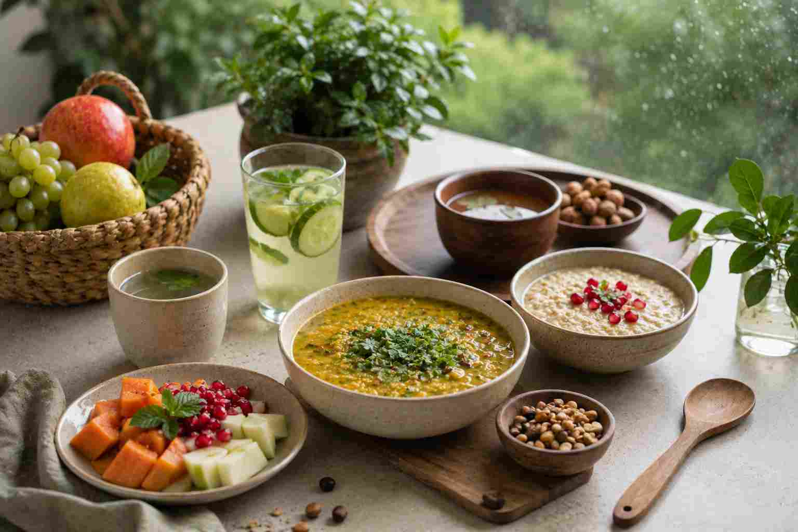
Ayurveda has a specific seasonal protocol called Varsha Ritucharya. It is a set of dietary, lifestyle and therapeutic guidelines designed specifically for the monsoon.
- Eat warm, freshly cooked meals that are easy to digest
- Practice Abhyanga with warm oil regularly
- Add Tulsi, ginger and black pepper to your daily food
- Maintain a consistent healthy daily routine
- Keep your home dry and well-ventilated during monsoon
Do Not Wait Until It Gets Worse
Monsoon can bring changes in digestion, immunity, allergies and respiratory health. Instead of waiting for symptoms to worsen, support your well-being with personalised Ayurvedic care.
At Patanjali Wellness Indirapuram, our Vaidya assesses your individual health needs before recommending therapies such as Panchakarma, Nasya, Abhyangam, Shirodhara and Yoga Therapy.
Do not wait for a small problem to become a bigger one. Book your free Vaidya consultation at Patanjali Wellness Indirapuram and experience an Ayurvedic approach designed around your body type and needs.
FAQs
Q. Which drink is best for monsoon?
A. Warm herbal drinks like ginger or tulsi tea support hydration and digestion, while their soothing aroma promotes relaxation.
Q. How to stay healthy in the monsoon?
A. Stay healthy by drinking safe and lukewarm water, eating fresh food, maintaining hygiene, preventing mosquito bites, staying active and seeking care for persistent symptoms.
Q. Why should we not eat curd in monsoon?
A. Ayurveda traditionally recommends limiting curd during monsoon because it may increase Kapha and contribute to mucus, heaviness and digestive discomfort in some people.
Q. How can I prevent mosquito-borne diseases during monsoon?
A. Use mosquito repellents, wear protective clothing, avoid stagnant water and keep water containers covered.
Q. What are the early signs of a monsoon infection?
A. Common signs include fever, body aches, fatigue, headache, digestive discomfort, cough or skin irritation, depending on the infection.
Q. Can Ayurvedic therapies help maintain wellness during monsoon?
A. Ayurvedic practices such as Abhyanga, Nasya and seasonal dietary routines may support overall wellness when recommended appropriately.
Disclaimer
This blog is for general health and wellness information only and should not be considered a substitute for professional medical advice, diagnosis or treatment. Ayurvedic therapies and remedies mentioned here may not be suitable for everyone. If you experience severe, persistent or worsening symptoms, consult a qualified healthcare professional promptly.